
RyCarma is the leader in developing investigational therapeutics that repair leaky ryanodine receptors (RyRs), which contribute to disease progression in a range of indications including skeletal myopathies and heart failure. Our lead program, surlorian (ARM210), is in Phase 2 development for ryanodine receptor 1-related myopathies (RYR1-RM).

Pipeline & Programs
Targeting a fundamental signaling pathway with a new class of drugs
Pipeline
Discovery
Pre-clinical
Phase 1
Phase 2
Surlorian (ARM 210)
Ryanodine Receptor 1-Related Myopathies (RYR1-RM)
We are currently enrolling a Phase 2 trial in the United Kingdom and Europe evaluating surlorian for RYR1-RM, a rare genetic condition causing progressive and significant muscle weakness. More information can be found on clinicaltrials.gov and the EU Clinical Trials Register.
An earlier Phase 1b open label trial confirmed favorable safety and tolerability of 120 mg and 200 mg oral dosing of surlorian daily and provided first signs of clinical efficacy, improving fatigue and proximal muscle strength in patients at 200 mg daily.
Duchenne Muscular Dystrophy (DMD)
Other Indications
Other Rycals®
Other Indications

Our RYR1-RM Program
Disease Overview and Impact
RYR1-related myopathies (RYR1-RM) is a group of rare muscle diseases caused by more than 700 different mutations in the RYR1 gene. Certain mutations allow ions to leak from intracellular storage units into cytoplasm where they disrupt normal muscle function. Disease severity varies, ranging from mild, late-onset muscle weakness to severe congenital forms associated with respiratory complications.
The spectrum of RYR1-RM symptoms includes muscle weakness—often affecting the face, eyes and limbs—as well as fatigue, heat intolerance, breathing difficulties and a potentially life-threatening reaction to certain types of anesthesia. People with RYR1-RM often face a significant loss of independence, with approximately 80% of affected individuals experiencing difficulty with basic ambulation and up to 17% requiring a wheelchair.
Transforming the treatment paradigm
Currently, there are no approved treatments for RYR1-RM. Care focuses on helping affected individuals manage symptoms, avoid complications, and maintain independence, and often includes physical therapy, respiratory support, and energy conservation.
RyCarma’s lead candidate, surlorian (ARM210), is a potential first-in-class, once-daily oral therapy designed to address the underlying calcium leak associated with the disease. As a mutation-agnostic allosteric modulator, surlorian is designed to stabilize leaky RyR1 channels and improve muscle function across all affected individuals, regardless of their specific genetic mutation.
In a Phase 1 trial, surlorian demonstrated favorable safety, tolerability and pharmacokinetics. Patients receiving a 200 mg daily dosing of surlorian exhibited increased grip and pinch strength as well as reduced fatigue, a key symptom of RYR1-RM.
Additional resources and patient perspectives
We are currently enrolling a Phase 2 trial in the United Kingdom and Europe evaluating surlorian for RYR1-RM. More information on our clinical trials can be found on clinicaltrials.gov and the EU Clinical Trials Register. You may also email us at clinicaltrials@rycarma.com.
Additionally, the studies below are working to improve our understanding of the prevalence of RYR1-related diseases through international collaboration and analysis of clinical and genetic data.
- A Natural History Study of RYR1-Related Disorders (National Institutes of Health Clinical Center)
- The Prevalence of RYR1-related Disease (King’s College London)
More information and resources on RYR1-RM are available through The RYR-1 Foundation, a nonprofit dedicated to advocating for and serving families affected by RYR1-related diseases.
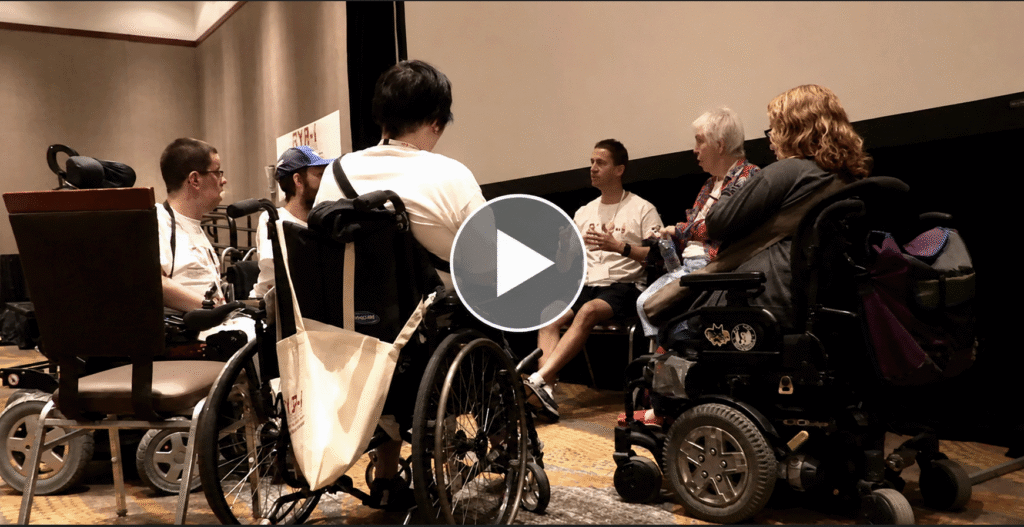
Hear from the families, patients, physicians, and researchers at the heart of the RYR-1 Foundation:

Partnership Opportunities
Our preclinical portfolio comprises a novel class of investigational therapeutics targeting a range of indications driven by leaky ryanodine receptors (RyRs) resulting from genetic mutations as well as physiological or cellular stress.
For more information, please reach us at contact@rycarma.com.